 |
 |
 |
 |
 |
 |
 |
 |
 |
|||
 |
 |
|
|||||||
 |
|||||||
 |
|||||||
 |
|||||||
 |
|||||||
|
|||||||






|
||||||
 |
||||||
 |
||||||
 |
||||||
|






 |
 |
 |
 |
 |
 |
 |
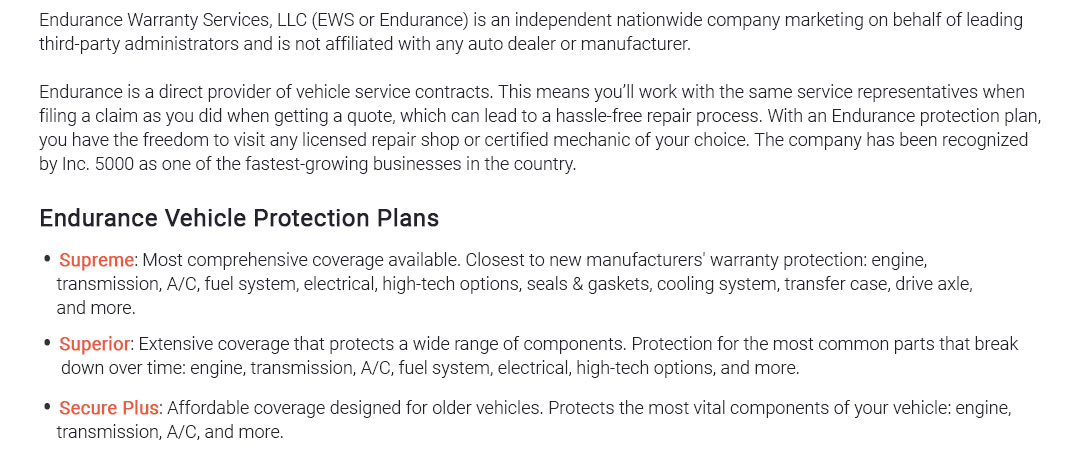
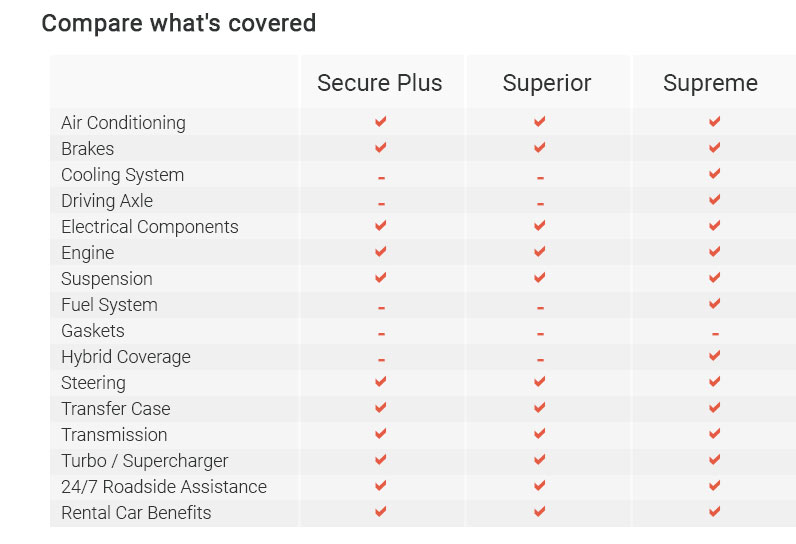
used car protection plans, plain facts and quiet trade-offsWhat they areA protection plan is a contract that can pay for certain repairs after the original warranty fades. Some are called vehicle service contracts; some are mechanical breakdown policies; a few come straight from the automaker. Different names, same core idea: transfer some repair risk for a fee. Common coverage, in practice
Where they helpMonday morning, check engine light on, your turbo wastegate sticks. The shop calls your plan administrator, approves labor and parts, you pay the deductible, the car is back by Thursday. Quiet, predictable, boring - in a good way. Limits and fine print
Cost math, simplyYou pay upfront or monthly. In return, you might dodge one or two big bills. The break-even hinges on your car's reliability, your mileage, and how long you keep it. If surprise expenses wreck your budget, a plan can be worth it. If you can self-insure with savings, maybe not.
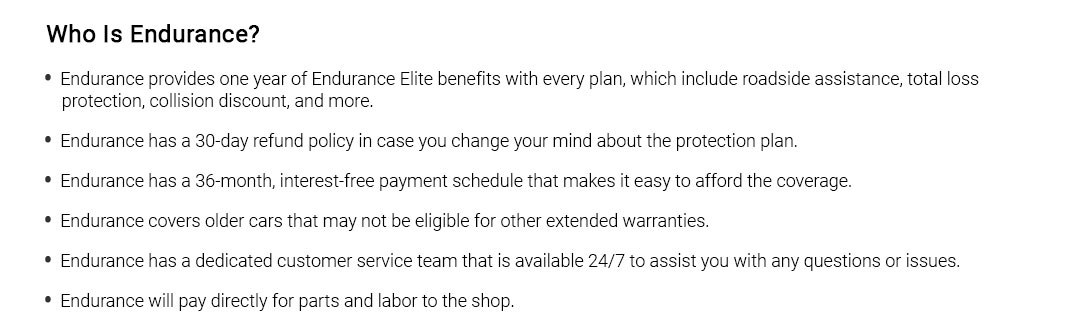
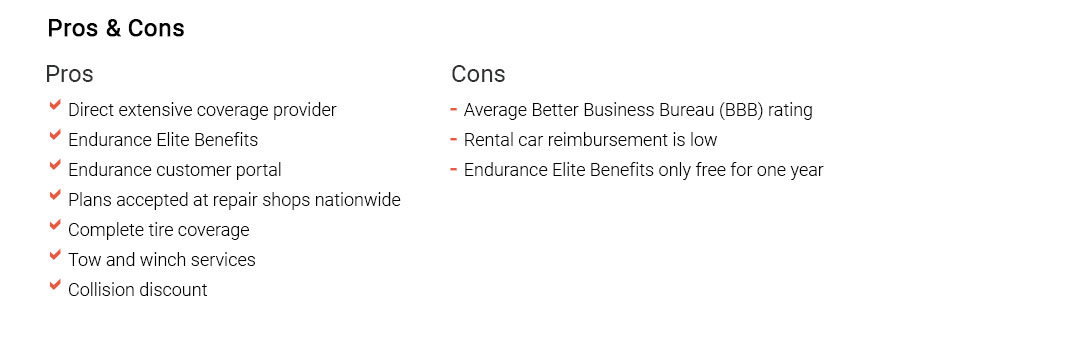
Seller types, brieflyManufacturer-backed: generally smoother claims, higher price, strong network. Dealer-sold third-party: varies; read the contract, not the brochure. Direct third-party: flexible, sometimes cheaper, but vet the company's financial stability and claims reputation. A small backtrackI said "peace of mind." More precisely, it's budget stability: turning spikes into a steady payment. Peace is the byproduct - if the contract is solid. Fit check
How to read a sample contract
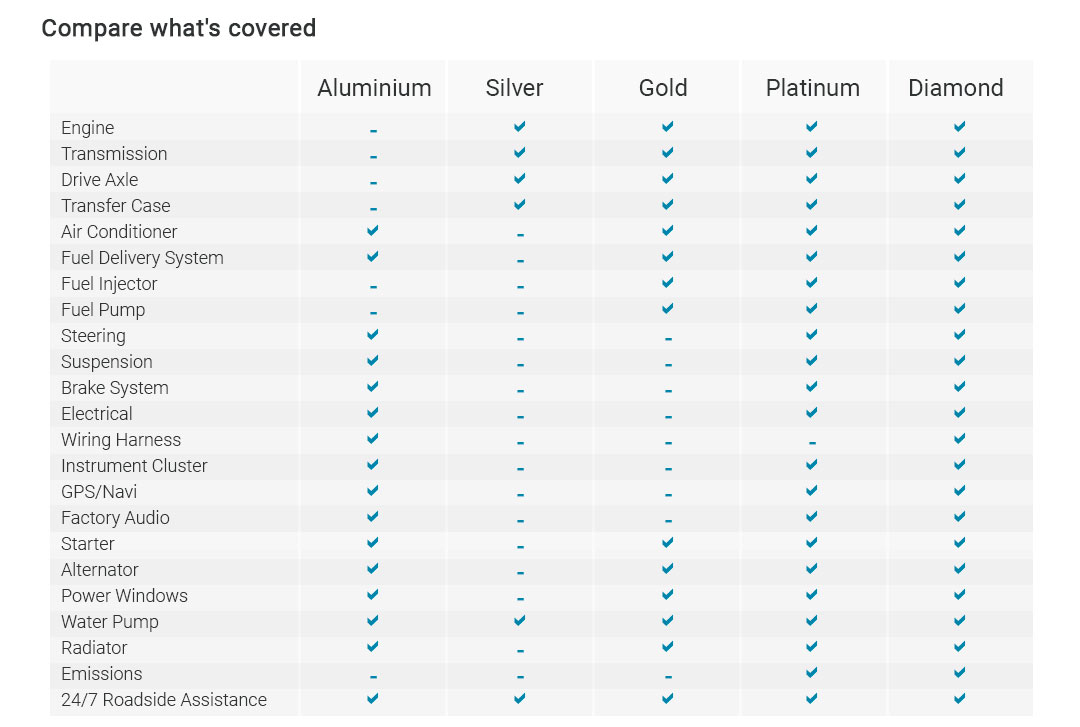
Tiers, decoded
Using one wellKeep maintenance receipts. At the shop, request pre-authorization before work. Ask for the adjuster's notes. Approve only covered repairs or separate the invoices so your deductible applies cleanly. Red flags
SummaryProtection plans aren't magic. They're risk trades. Trust comes from a readable contract, a stable company, and coverage that matches how you drive. If the numbers make sense and the terms are clear, fine. If not, a repair fund can be the cleaner bet.
Main Topic:
Car Protection Plans
https://www.carfive.com/protection-plans
Protection that saves you money, VITAL CARE offers affordable protection against costly repairs. Your coverage could cost less than paying for one moderate ... https://www.youtube.com/watch?v=fr8ko2XpKD8
When buying a car, extended warranties can seem useful but come with risks. While they offer potential savings on repairs and extra benefits ... https://www.endurancewarranty.com/learning-center/extended-warranty/best-extended-warranty-for-used-cars/
When searching for the best-extended car warranty, the best thing to do is see which ones have high customer reviews and coverage options.
|
